



|
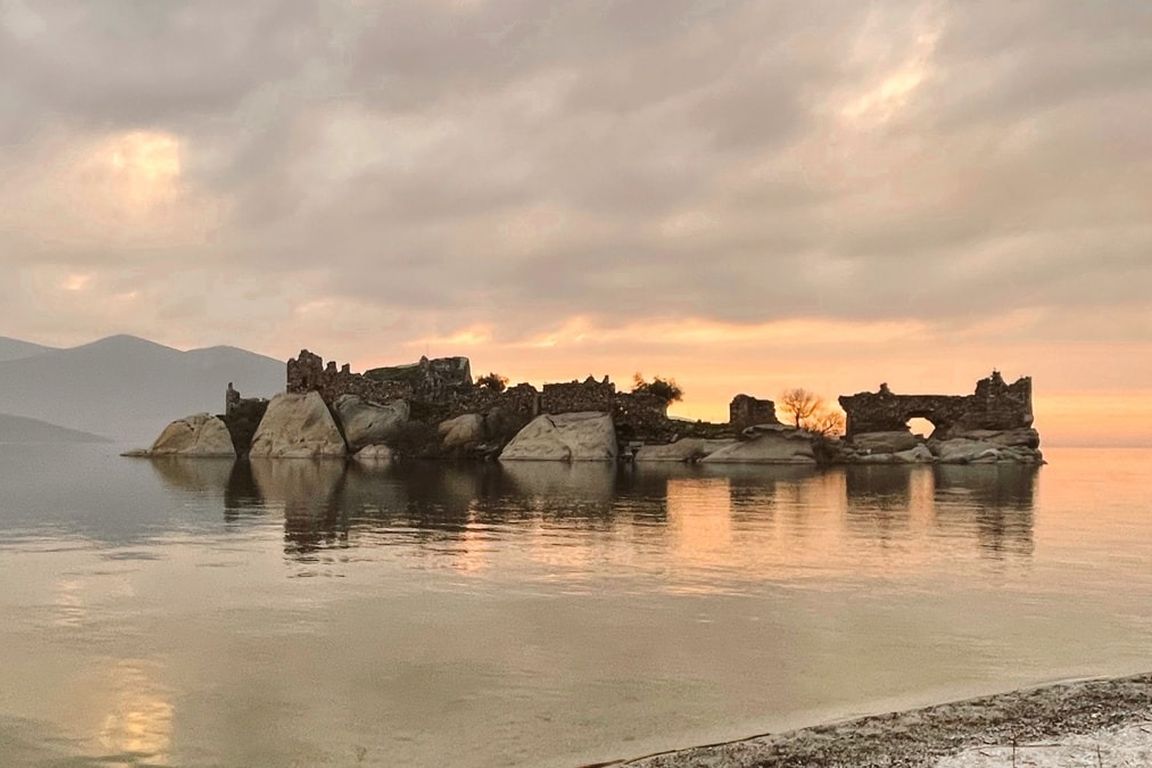
Nestled between the provinces of Muğla and Aydın in southwestern Turkey lies Lake Bafa, a place where time seems to stand still. This vast inland lake, shimmering under the sun and
surrounded by olive groves and the rugged peaks of the Beşparmak Mountains, offers a serene escape far removed from the bustling coastal resorts. Here, nature and history are woven
together seamlessly, with the silent ruins of the ancient city of Herakleia scattered along its shores, offering a profound and peaceful journey into the past. A Landscape Shaped by Time The story of Lake Bafa is one of dramatic geological transformation. In antiquity, this area was not a lake but the Gulf of Latmus, an inlet of the Aegean Sea. Over millennia, the Büyük Menderes River (the ancient Maeander) carried vast amounts of alluvium downstream, slowly silting up the gulf and cutting it off from the sea. By the Classical period, the gulf had become the freshwater lake we see today, a process that transformed a bustling port city into an inland settlement and preserved a unique landscape of natural beauty. The result is a nature park of stunning contrasts, where the still, blue waters of the lake reflect the imposing peaks of the Beşparmak Mountains. This protected wetland is a haven for wildlife, home to over 200 bird species, including pelicans, herons, and flamingos during migration seasons. The quiet, largely untouched ambiance of the area makes it a perfect destination for those seeking tranquility and natural beauty. The Echoes of Ancient Herakleia On the northern shore of the lake sits the village of Kapıkırı, a place where modern life coexists with the ruins of a glorious past. This village is built directly upon the remains of the ancient city of Herakleia ad Latmus (Heraclea at Latmus). The city's history stretches back over three millennia. First known as Latmos, it was a member of the Delian League in the 5th century BC before being conquered by the Carian ruler Mausolus in the 4th century BC. The city was later refounded and renamed Herakleia, in honor of the hero Heracles (Hercules), by the Hellenistic ruler Pleistarchos, who briefly made it the capital of his domain. It was also known briefly as Pleistarcheia after him. The city flourished as a port until the sea retreated, leaving it to its peaceful fate by the lake. The decline of the sea trade did not erase its history, and today, walking through Herakleia is like stepping into an open-air museum. Exploring the Ruins of Herakleia Exploring the ancient city is an atmospheric experience. The ruins are not cordoned off in a sterile park but are integrated into the fabric of Kapıkırı village, with ancient walls and columns rising from gardens and next to stone cottages. The City Walls and Towers The most imposing and best-preserved feature of Herakleia is its extraordinary Hellenistic city wall. Stretching for 6.5 kilometers and punctuated by 65 towers, it is considered one of the finest examples of ancient military architecture in the Greek and Roman world. Built in the late 4th or early 3rd century BC, many of the towers and walls survive to nearly their original height, complete with windows, doors, and staircases, offering a remarkable glimpse into the engineering prowess of the era. A later cross-wall reduced the enclosed area to 4.5 kilometers, but the remaining circuit is still a magnificent sight. The Temple of Athena and the Agora Following the path through the ruins, you can discover the heart of the ancient city. The Temple of Athena, dating to the early 3rd century BC, stands on a rocky eminence with commanding views over the lake. Its cella (inner chamber) walls still stand to a height of over seven meters. Just below lies the agora, the city's main square, a large open area of 60 by 130 meters, with a well-preserved retaining wall that once housed a two-story row of shops. The Sanctuary of Endymion and Rock-Cut Tombs Near the southern end of the city, an unusual horseshoe-shaped structure is built into a rocky outcrop. This is believed to be the Sanctuary of Endymion. According to legend, it was here on Mount Latmos that the moon goddess Selene fell in love with the beautiful shepherd Endymion. She asked Zeus to grant him eternal sleep so she could visit him every night, and from their union, she bore fifty children. The legend lives on in the landscape. On the slopes near the lake, you can see many rock-cut tombs carved into the mountainside, some of which are now partially submerged due to the rising water level of the lake. This blending of myth, history, and nature is what makes Herakleia so hauntingly beautiful. Kapıkırı Village and Local Life The modern-day village of Kapıkırı is as much a part of the experience as the ancient ruins. The locals, who live among the remnants of the past, maintain a traditional way of life, earning their living from olive farming, fishing, and honey production. The village has seen a gentle rise in tourism, with family-run guesthouses and small cafés welcoming travelers seeking an authentic experience. You can enjoy fresh fish and traditional Aegean dishes made with locally produced olive oil and herbs at a lakeside restaurant, some of which have earned international recognition for their quality and authenticity. How to Visit and Practical Tips Visiting Lake Bafa and Herakleia is best done as a day trip or an overnight stay to fully immerse yourself in the peace and history of the area. Getting There: The lake is located about 90 kilometers northeast of Bodrum, a roughly 1.5-hour drive. Renting a car is the most convenient way to reach it, though some eco-tour companies in Bodrum offer organized day trips. Best Time to Visit: The ideal times are in spring and autumn when the weather is mild, and the landscapes are lush and vibrant. What to Bring: Wear comfortable and sturdy walking shoes for exploring the uneven terrain of the ruins. Don't forget your camera, as the sunset views over the lake with the Latmos Mountains in the background are spectacular. Binoculars are a must for birdwatchers. Lake Bafa and Herakleia are more than just an archaeological site; they are a place where history, myth, and nature converge in perfect harmony. It's a destination for the soul, offering a quiet and profound journey into the heart of Anatolia's timeless landscape. |
